

How to Build an ADU in Greensboro NC: Zoning, Permits, Costs, and Rental Income
How to Build an ADU in Greensboro NC: Zoning, Permits, Costs, and Rental Income — A 2026 Guide
Greensboro homeowners have more opportunity than ever to add an accessory dwelling unit to their property. Between the city's simplified zoning standards and growing short-term rental demand, a backyard cottage or tiny home can be both a smart investment and a practical housing solution. This guide breaks down exactly what you need to know, from setback rules to construction budgets to Airbnb licensing, based on our first-hand experience operating the Urban Birdhouse Tiny Home ADU right here in Greensboro.
Key Takeaways
Greensboro allows ADUs in all residential zoning districts. The city's April 2024 text amendment removed the owner-occupancy requirement, dropped the minimum size standard, and aligned ADU setbacks with accessory building standards, making it significantly easier to build.
Realistic construction costs for a detached ADU in the Greensboro area range from roughly $50,000 to $150,000 or more, depending on size, site conditions, and finish level. Budget an additional $1,000 to $5,000 for permits and plan review.
You can legally rent your ADU as a short-term rental on Airbnb or VRBO after obtaining a $200 zoning permit from the City of Greensboro. There is no annual renewal requirement, and the previous 750-foot spacing rule between STRs was eliminated in February 2025.
What Is an ADU?
See a Greensboro ADU in Action
We operate the Urban Birdhouse Tiny Home as a short-term rental in Greensboro. It is the real-world experience behind this guide.
View the Urban BirdhouseAn accessory dwelling unit is a secondary residential structure on the same lot as a primary single-family home. It can be attached to the main house, built within it (like a basement conversion), or fully detached as a standalone backyard cottage or tiny home. Greensboro's Land Development Ordinance defines an ADU as "a dwelling unit that exists either as part of a principal dwelling or as an accessory building and is secondary and incidental to the use of the property as single-family residential."
ADUs go by many names — granny flats, in-law suites, backyard cottages, carriage houses, and tiny homes. Whatever you call them, they serve the same purpose: providing additional living space that can house a family member, generate rental income, or both.
Greensboro's ADU Zoning Rules: What Changed in 2024
On April 16, 2024, the Greensboro City Council approved a text amendment to the Land Development Ordinance that simplified ADU standards in several important ways.
Here is what the current rules look like:
Permitted in all residential districts. ADUs are allowed as an accessory use to a single-family residence in every residential zoning district in Greensboro, as well as some mixed-use and commercial districts.
No owner-occupancy requirement. Before the 2024 amendment, the property owner had to live in either the ADU or the primary home. That requirement has been removed entirely. This means you can build an ADU and rent both units if you choose.
No minimum size. The previous 400-square-foot minimum has been eliminated. Your ADU can be as small as your design and building code allow.
50 percent floor area cap. The heated floor area of the ADU cannot exceed 50 percent of the primary dwelling's floor area. So if your main house is 2,000 square feet, your ADU can be up to 1,000 square feet.
Accessory building setbacks apply. ADUs now follow the same setback and height standards as other accessory structures (sheds, detached garages) rather than the more restrictive principal building standards. The specific setback distances depend on your zoning district, so check Section 30-8-11.1 of the LDO or contact the Greensboro Planning Department.
One ADU per lot. Only one accessory dwelling unit is permitted per lot.
No additional parking required. The city does not require extra off-street parking for an ADU.
Cannot be sold separately. The ADU and the primary dwelling must remain on the same lot under the same ownership. You cannot subdivide the lot and sell the ADU independently.
Keep in mind that overall building coverage limits still apply. If you already have a detached garage, shed, or other accessory buildings, their square footage counts toward the total allowable coverage for your lot.
North Carolina Senate Bill 495: What It Means for ADU Owners
At the state level, North Carolina lawmakers introduced Senate Bill 495 in March 2025. This bipartisan bill, sponsored by Senators Moffitt and Mayfield, would require local governments across the state to allow at least one ADU per single-family detached dwelling in residential zones.
If passed, SB 495 would also prohibit local governments from requiring conditional zoning for ADUs, imposing minimum parking requirements, setting a maximum ADU size below 800 square feet, or requiring owner occupancy.
As of early 2026, SB 495 and its companion bill HB 627 are still working through the legislative process. A related bill, SB 497, would go even further by mandating that middle housing types like duplexes be allowed in residential zones served by water and sewer.
Greensboro is already ahead of the curve on most of these provisions. But if SB 495 becomes law, it will extend similar ADU-friendly rules to communities across North Carolina that currently have more restrictive ordinances. For Greensboro homeowners, the trajectory is clear: state and local policy are moving firmly in the direction of making ADUs easier to build and operate.
The Permitting Process: How to Get Approved
Building an ADU in Greensboro requires a standard residential building permit. There is no special use permit or conditional zoning approval needed. Here is the general process:
1. Check your zoning district. Confirm your property is in a residential district that permits ADUs and verify the setback, height, and building coverage requirements for your specific zone. You can use the City of Greensboro's zoning map or call the Planning Department at 336-373-4340.
2. Prepare your plans. You will need a site plan showing the location of the ADU on your lot relative to the primary dwelling and property lines. You will also need construction drawings, including floor plans, elevations, and structural details that comply with the North Carolina Residential Code.
3. Submit your building permit application. Multiple city departments review the application for conformance with zoning, transportation, life safety, and building code standards. Expect permit fees in the range of $1,000 to $5,000 depending on the scope of your project.
4. Schedule inspections during construction. The city will require inspections at various stages (foundation, framing, electrical, plumbing, final) before issuing a certificate of occupancy.
5. If you plan to use the ADU as a short-term rental, you will need a separate STR zoning permit (more on that below).
The entire permitting timeline varies, but plan for several weeks to a few months from application to permit issuance, depending on the complexity of your plans and the city's review queue.
How Much Does It Cost to Build an ADU in Greensboro?
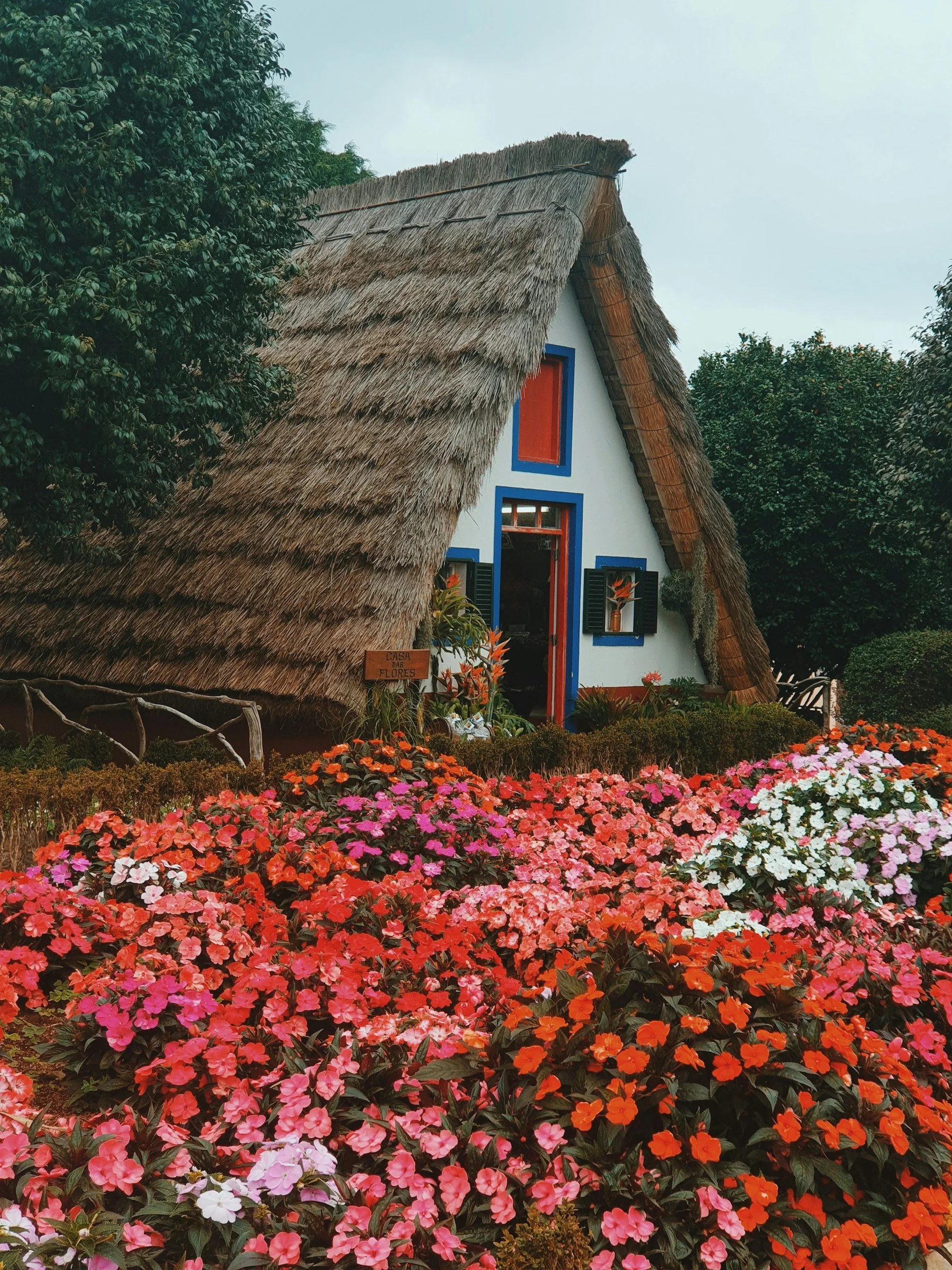
Construction costs for ADUs vary widely based on type, size, site conditions, and finish level. Greensboro's cost of living and construction market are significantly lower than coastal or West Coast cities, which works in your favor.
Here are realistic cost ranges for the Greensboro area:
Garage or basement conversion: $30,000 to $80,000. If you have an existing structure with a solid foundation, converting it into a livable unit is usually the most affordable option. Costs depend heavily on the electrical, plumbing, insulation, and HVAC work needed.
Prefabricated or modular tiny home: $40,000 to $100,000. A factory-built unit delivered and installed on your lot can save time and reduce on-site labor costs. You will still need to budget for site preparation, foundation, and utility connections.
New detached construction (stick-built): $80,000 to $150,000 or more. A custom-built detached ADU from the ground up is the most expensive option but offers the most flexibility in design and layout. For a 400- to 800-square-foot unit, expect costs in the range of $150 to $250 per square foot in this market.
Additional costs to budget for include architectural or design fees ($3,000 to $15,000), permit and impact fees ($1,000 to $5,000), utility connections (water, sewer, and electrical service), site preparation and grading, and landscaping.
A general rule of thumb: budget a 10 to 20 percent contingency on top of your estimated costs. Unexpected issues with soil conditions, utility locations, or code requirements can add to the final number.
Renting Your ADU as a Short-Term Rental in Greensboro
One of the biggest advantages of Greensboro's ADU and STR policies is that you can legally rent your accessory dwelling unit on platforms like Airbnb and VRBO. Here is what you need to know about the city's short-term rental regulations.
Zoning permit required. All STR operators must obtain a zoning permit from the City of Greensboro. The permit costs $200 (non-refundable) and does not need to be renewed unless the property changes ownership or management.
No 750-foot spacing rule. As of February 18, 2025, the Greensboro City Council removed the previous requirement that STRs be located at least 750 feet apart. This was a significant barrier for many property owners and its removal opens up far more locations for short-term rentals.
Occupancy limits. Short-term rentals are limited to two adults per rented bedroom. Events or gatherings that exceed twice the allowed guest count are prohibited.
Responsible person requirement. If you are renting the entire dwelling (whole-house STR), you must live in Guilford County or an adjacent county. You must also post your contact information prominently within the rental and be accessible throughout the rental period.
Parking. One vehicle per rented bedroom is allowed, and vehicles must comply with standard residential parking restrictions.
No exterior signage. You cannot post signs advertising the STR on the exterior of the property.
Tax obligations. Short-term rental income is subject to Guilford County's 3 percent occupancy tax and the combined state and local sales tax of approximately 6.75 percent. Most major platforms collect and remit some of these taxes automatically, but you should confirm what is covered and what you need to file yourself.
Enforcement is real. Non-compliance can result in fines of up to $500 per violation, and the city can revoke your permit after two or more verified violations within a year.
Estimated Rental Income: What Can You Expect?
Rental income from an ADU in Greensboro depends on whether you rent it long-term or as a short-term rental, and on the unit's size, location, and amenities.
Short-term rental (Airbnb/VRBO): A well-located, well-furnished tiny home or one-bedroom ADU near downtown Greensboro can generate strong nightly rates, particularly with proximity to Cone Hospital, UNCG, the Tanger Center, and the growing downtown dining and brewery scene. Based on our experience operating the Urban Birdhouse Tiny Home ADU in the Idlewood neighborhood, a one-bedroom tiny home can realistically generate $1,000 to $2,500 or more per month depending on occupancy rates and seasonal demand. Greensboro sees steady demand from hospital visitors, university families, business travelers, and event attendees.
Long-term rental: A one-bedroom ADU rented on a 12-month lease in Greensboro typically commands $800 to $1,200 per month, depending on location and finishes. This option provides more predictable income with less management overhead.
Either way, an ADU adds meaningful cash flow to your property and can substantially offset your mortgage, fund renovations, or serve as a long-term wealth-building strategy.
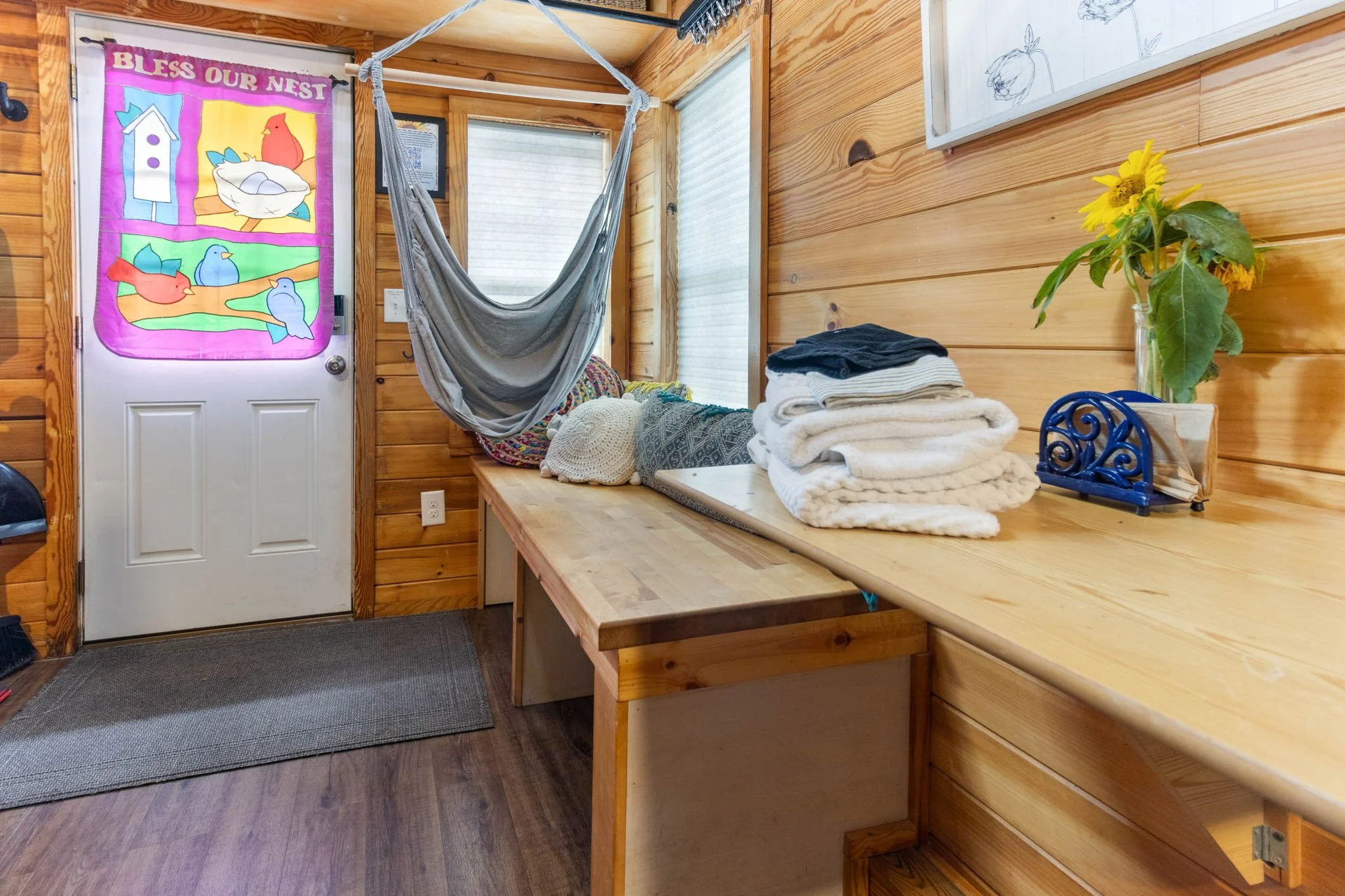
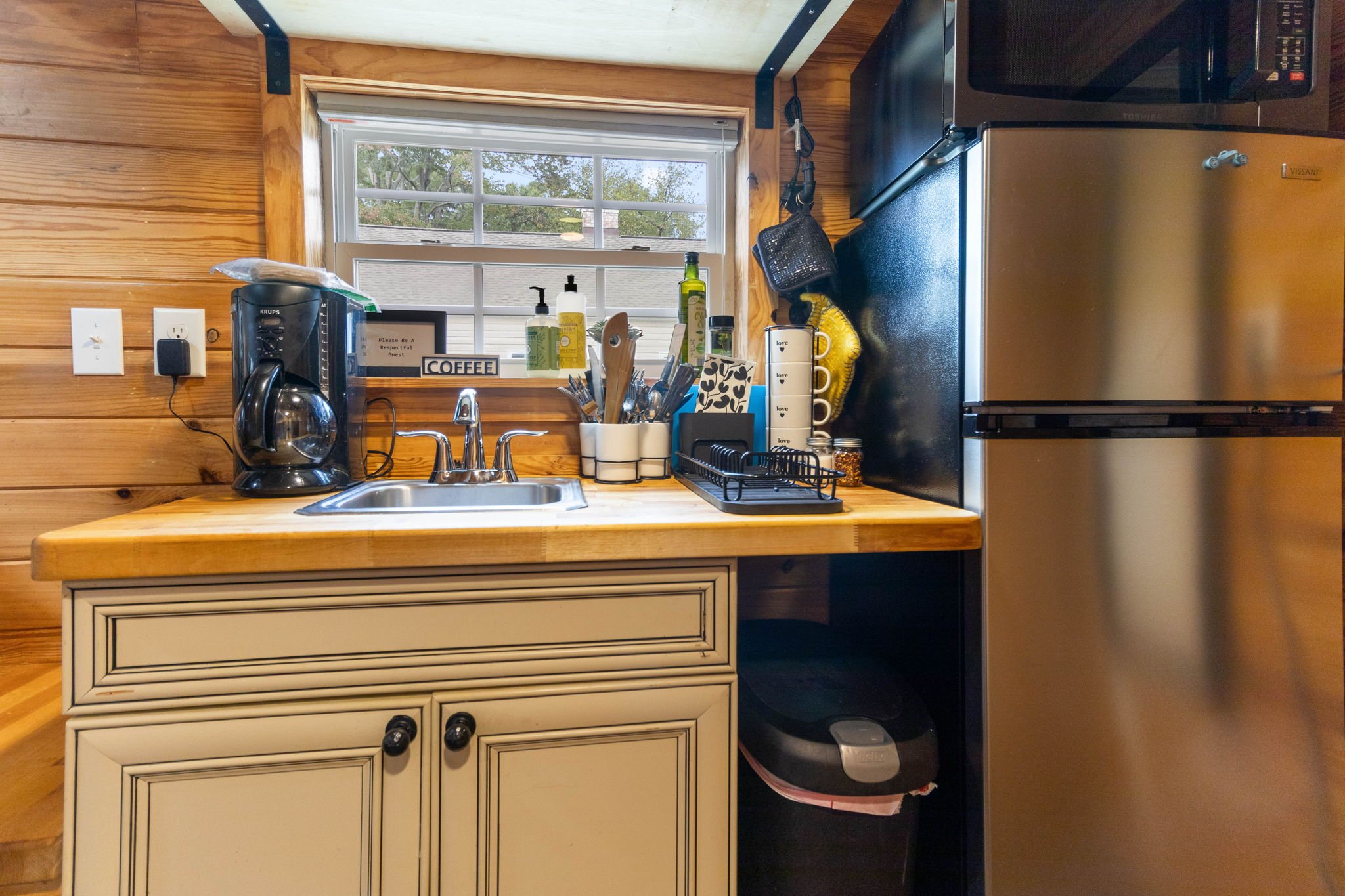
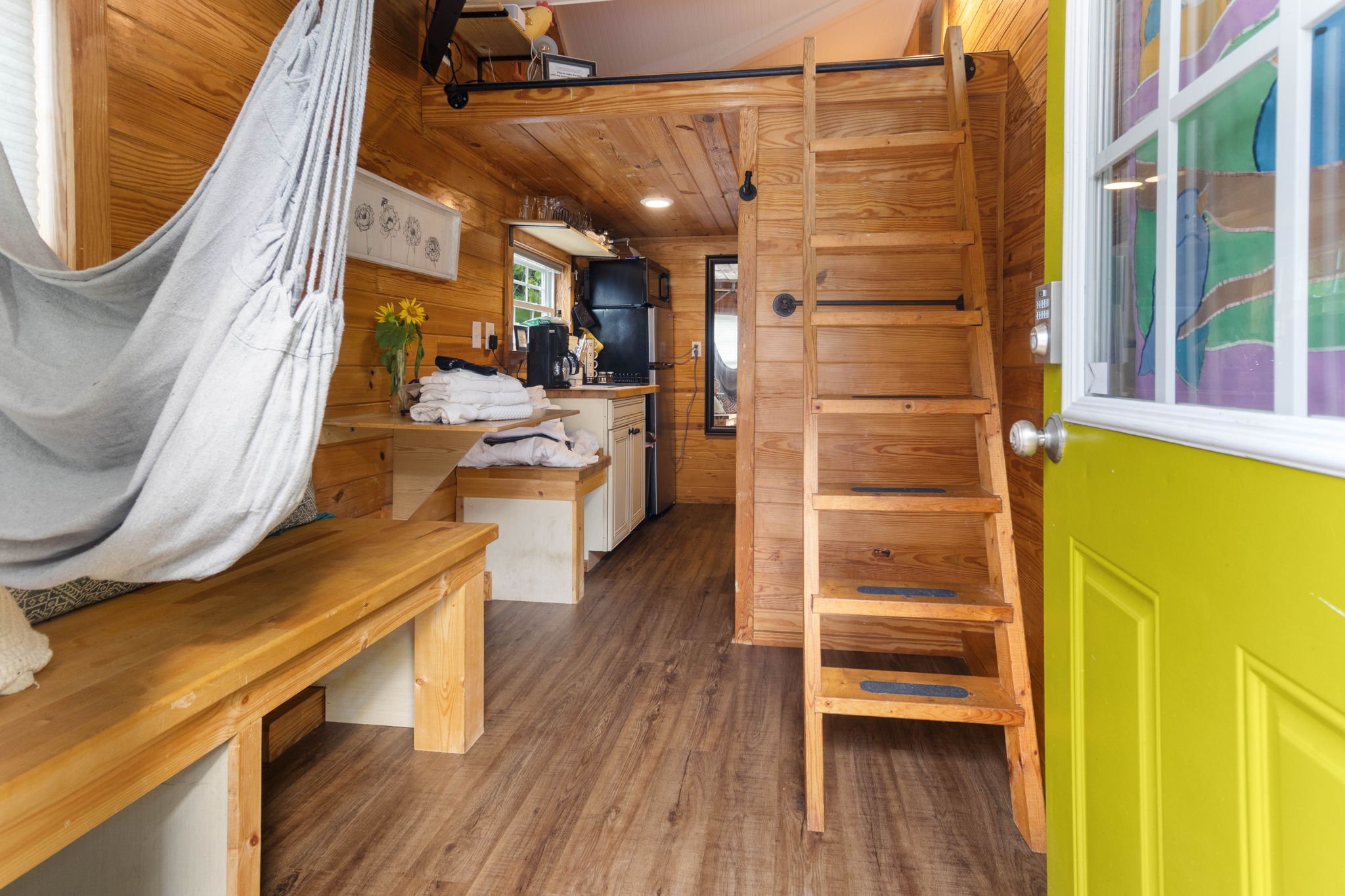
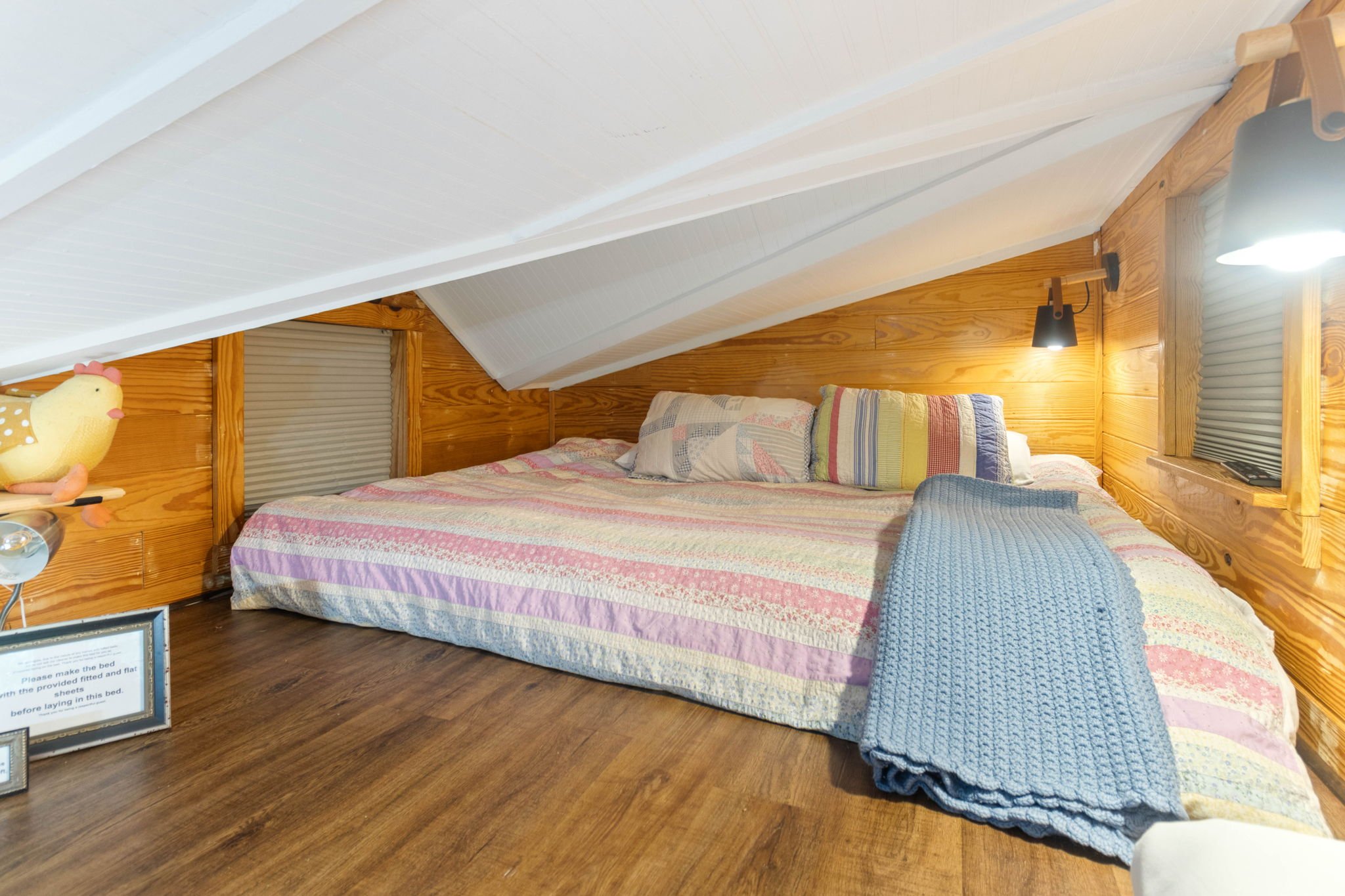
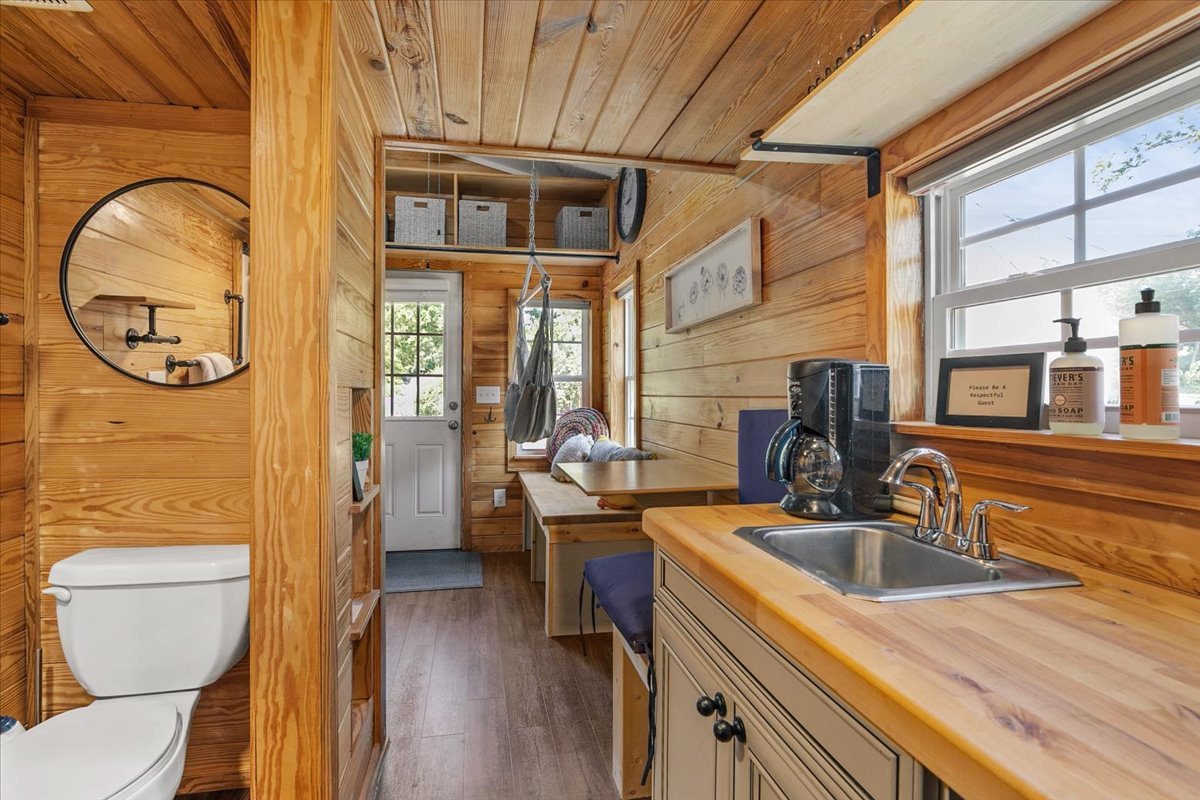

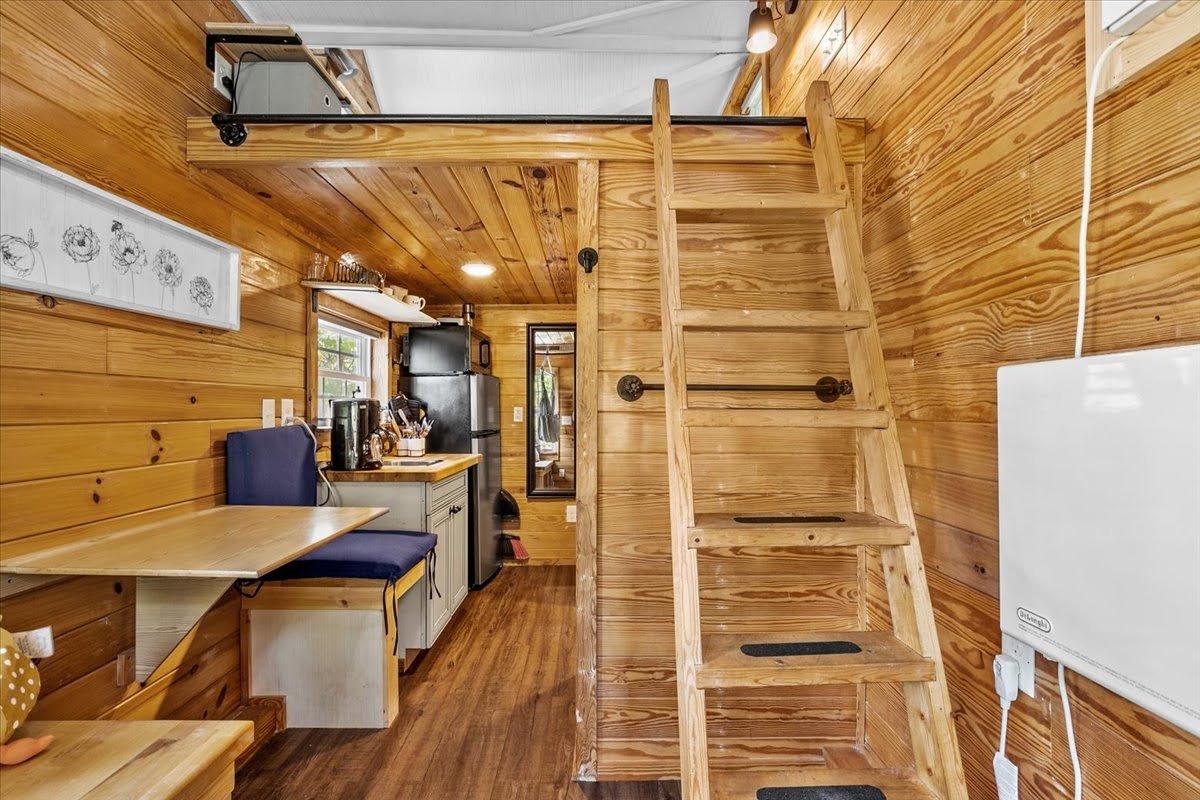
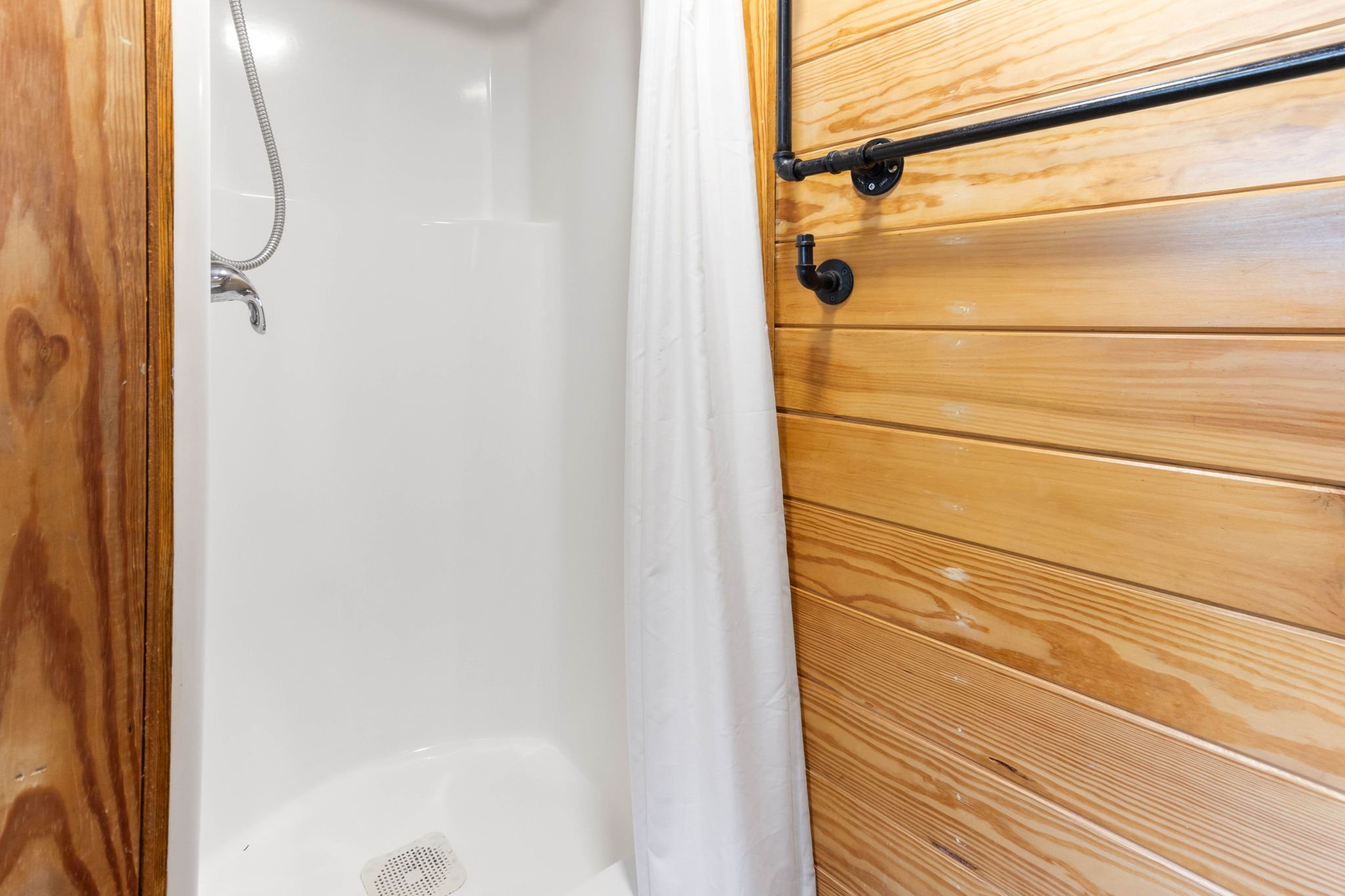
Case Study: The Urban Birdhouse Tiny Home ADU
We are not just writing about ADUs in theory. Joy Watson Real Estate operates the Urban Birdhouse Tiny Home ADU as a short-term rental in Greensboro's Idlewood neighborhood, just minutes from downtown, Cone Hospital, and UNCG.
The Urban Birdhouse was originally built by veterans through Tiny House Greensboro, a nonprofit that trains veterans and community members in construction and life skills while building sustainable housing. It served as their model home, traveling to trade shows across North Carolina to showcase eco-friendly ADU living. Today, it is a fully operational Airbnb with a cozy sleeping loft, kitchenette, private deck, and consistent five-star reviews.
Operating the Urban Birdhouse has given us direct, hands-on knowledge of every aspect of ADU ownership in Greensboro — from navigating zoning compliance and STR permitting to managing guest turnover and optimizing nightly rates. That real-world experience informs everything in this guide.
You can see the Urban Birdhouse listing and book a stay at joywatsonrealestate.com/urban-birdhouse-tiny-house.
Is Building an ADU in Greensboro Worth It?
For most homeowners, the answer is yes — provided you go in with realistic expectations about costs and timelines. Here is why:
The regulatory environment is favorable. Greensboro has some of the most ADU-friendly zoning rules in North Carolina, and the trend at both the city and state level is toward even fewer restrictions.
The numbers work. With construction costs well below national averages and solid rental demand from Greensboro's hospitals, universities, and growing downtown, the return on investment for a well-executed ADU is compelling.
You gain flexibility. An ADU can serve as a rental today and a home for aging parents tomorrow. It can house a college student, provide space for a home office, or simply increase your property's resale value.
The key is to do your homework: understand your zoning district's specific requirements, get accurate construction bids, and plan your rental strategy before you break ground.
If you have questions about building an ADU in Greensboro or want to talk through the investment potential for your specific property, reach out to Joy Watson Real Estate. We have been through the process ourselves and are happy to share what we have learned.
Frequently Asked Questions
Are ADUs legal in Greensboro, NC?
Yes. ADUs are permitted in all residential zoning districts in Greensboro as an accessory use to a single-family residence. The city updated its ADU standards in April 2024 to make them easier to build, removing the owner-occupancy requirement and aligning ADU setbacks with accessory building standards. You will need a standard residential building permit to construct one.
Do I have to live on the property if I build an ADU in Greensboro?
No. As of the April 2024 text amendment, Greensboro no longer requires the property owner to reside in either the ADU or the primary dwelling. You can rent both units if you choose. However, if you operate a whole-house short-term rental, you must live in Guilford County or an adjacent county and remain accessible during the rental period.
How big can an ADU be in Greensboro?
The ADU's heated floor area cannot exceed 50 percent of the primary dwelling's floor area. There is no minimum size requirement. Your ADU must also comply with overall building coverage limits for your lot and zoning district, which factor in all accessory structures including garages and sheds.
Can I rent my ADU on Airbnb in Greensboro?
Yes. You can legally operate your ADU as a short-term rental after obtaining a $200 zoning permit from the City of Greensboro. The permit does not require annual renewal. You must comply with occupancy limits (two adults per bedroom), parking requirements (one car per bedroom), and the responsible person requirements for whole-house rentals.
How much does it cost to build a backyard cottage or tiny home ADU in Greensboro?
Costs vary depending on the type of construction. A garage or basement conversion might run $30,000 to $80,000. A prefab tiny home typically costs $40,000 to $100,000 installed. A new stick-built detached ADU generally ranges from $80,000 to $150,000 or more. Plan to add 10 to 20 percent for contingencies, plus design fees, permits, and utility connections.
What is North Carolina Senate Bill 495?
Senate Bill 495 is a bipartisan bill introduced in the NC General Assembly in March 2025 that would require all local governments in the state to allow at least one ADU per single-family lot in residential zones. It would also prohibit local restrictions like minimum parking requirements for ADUs and maximum size limits below 800 square feet. As of early 2026, the bill is still moving through the legislative process. Greensboro already meets most of its proposed requirements.
How much rental income can I earn from an ADU in Greensboro?
Income depends on your rental strategy. A one-bedroom ADU rented long-term typically generates $800 to $1,200 per month. A well-located short-term rental near downtown Greensboro, Cone Hospital, or UNCG can generate $1,000 to $2,500 or more per month depending on occupancy and seasonal demand. Joy Watson Real Estate operates the Urban Birdhouse Tiny Home ADU as a short-term rental in Greensboro and can speak to these numbers from direct experience.